If you are a lover of nature, history, and mysterious underground spaces,...


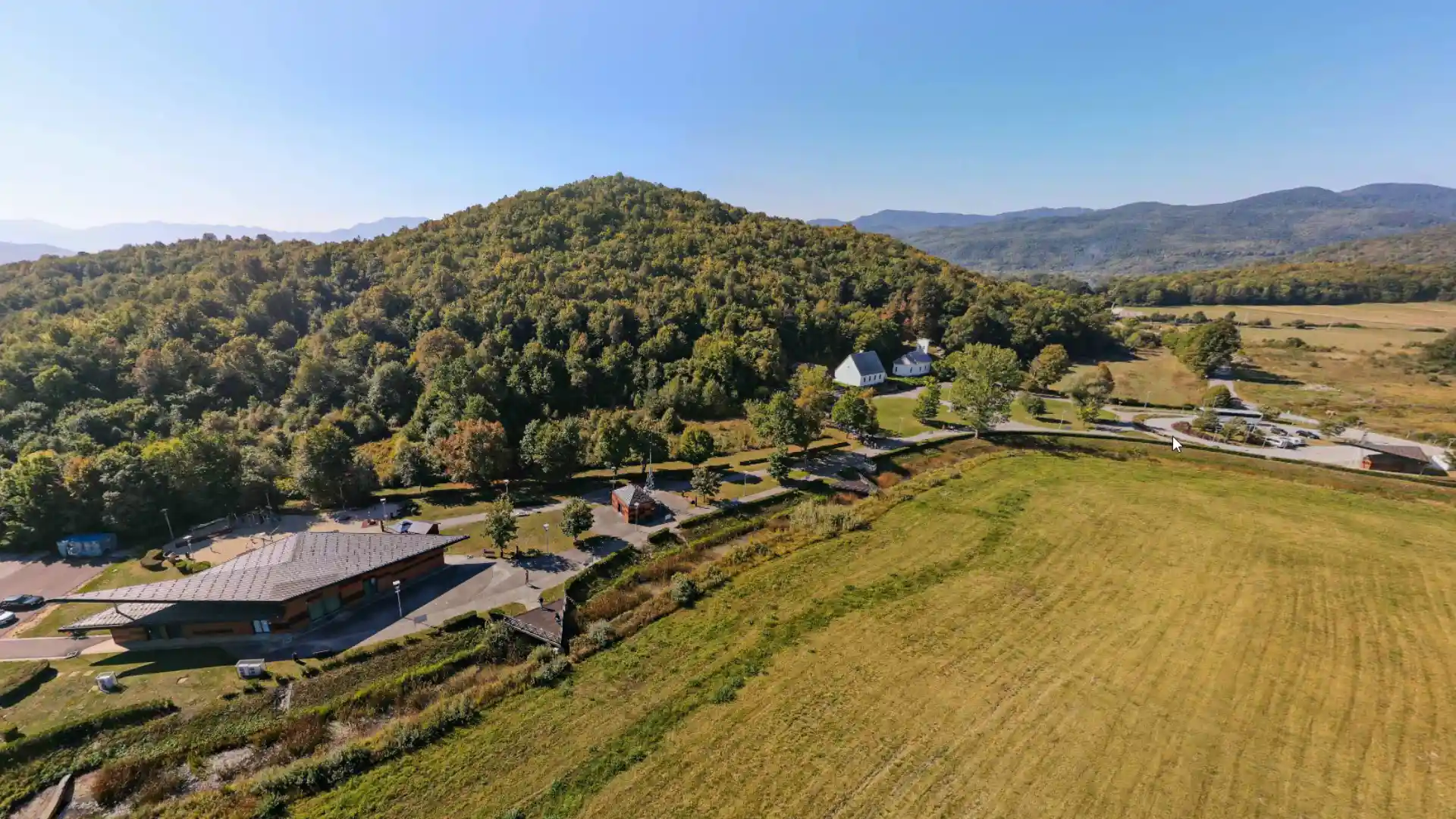
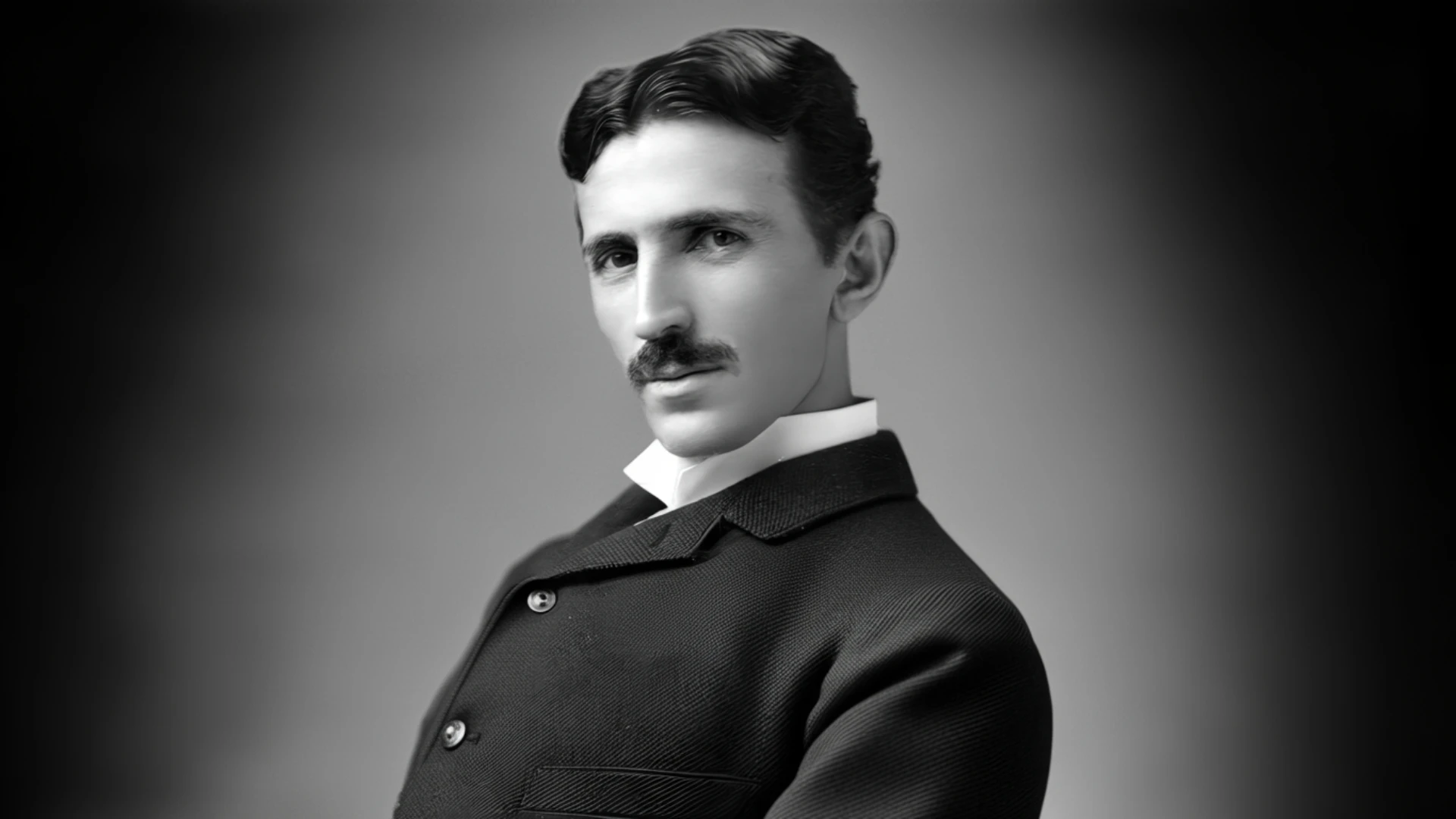
Nikola Tesla, born on July 10, 1856, in the small village of Smiljan, left an indelible mark on the history of science and technology. His inventions and visionary ideas shaped the modern world, and today his birthplace is home to an impressive Memorial Center that attracts visitors from all over the world.
Located in the heart of Lika, the Nikola Tesla Memorial Center offers a unique opportunity to immerse yourself in the life, work, and inspiring legacy of this extraordinary scientist. If you are staying at Guest House Rustico or enjoying local specialties at Bistro Vila Velebita, a trip to Smiljan will perfectly complement your stay.
Nikola Tesla left an indelible mark on the history of science thanks to a series of revolutionary inventions and innovations that changed the world. His work was not limited to just one segment of electrical engineering but encompassed a wide range of fields — from electricity transmission to wireless communication.
Tesla’s most famous contribution is the development of the alternating current (AC) system, which enabled efficient transmission of electricity over long distances. Before this, Thomas Edison’s direct current (DC) system had serious range limitations. Tesla, through collaboration with George Westinghouse, proved the advantages of the AC system, thereby laying the foundation for the modern electrical grid. Today, almost every home, factory, and street is powered thanks to the principles Tesla developed.
Tesla invented the induction motor, which uses electromagnetic induction to convert electrical energy into mechanical energy. This motor still powers countless machines in industry and households today.
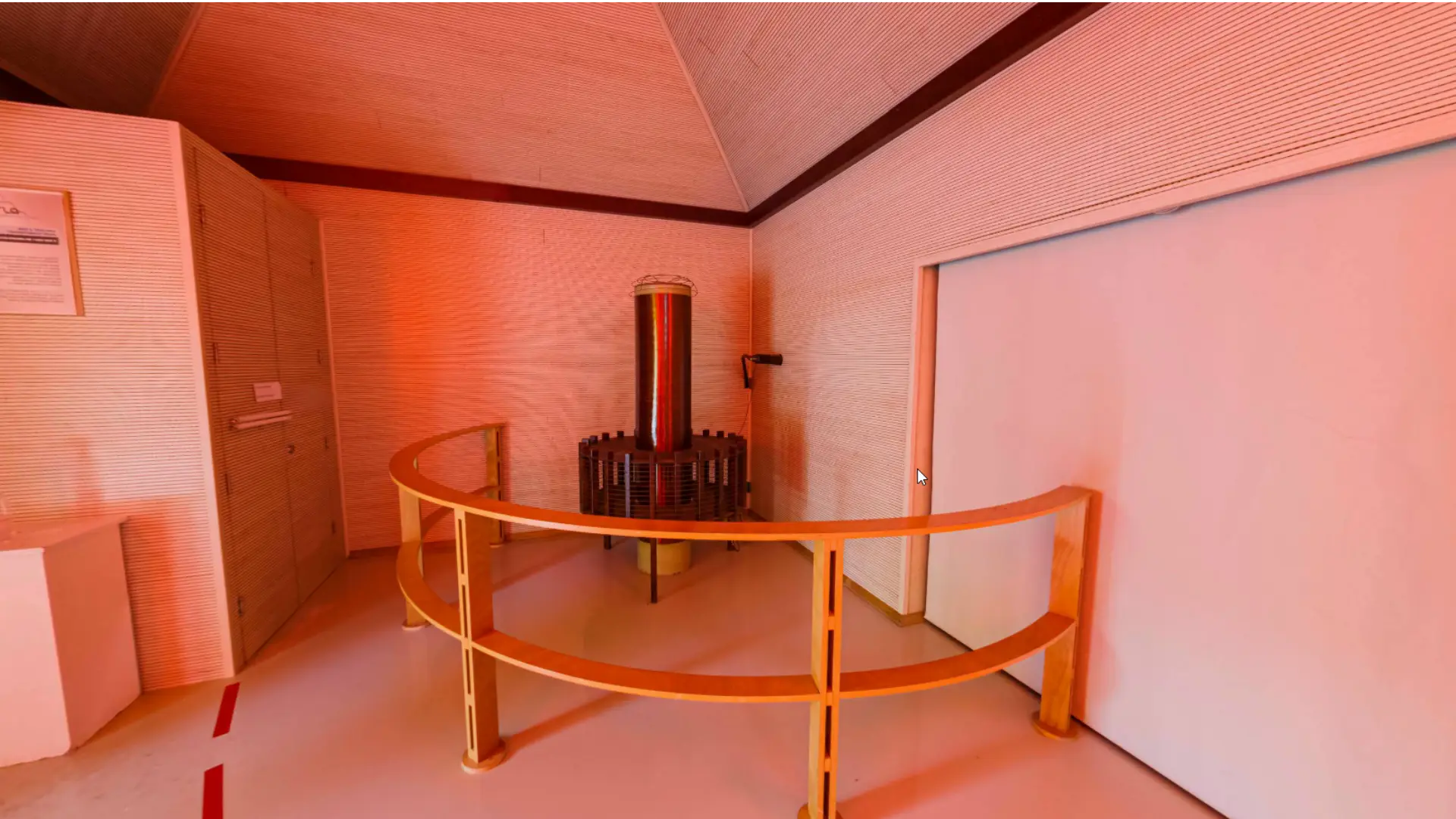
Another iconic invention is the Tesla coil, a high-voltage resonant transformer that can create spectacular electrical sparks. Besides serving experimental purposes, it also became a symbol of Tesla’s genius and a tool for research in the field of wireless energy transmission.
Tesla dreamed of a world where energy and information would travel wirelessly. To this end, he built the Wardenclyffe Tower on Long Island, an ambitious project intended for global wireless communication and power transmission. Although the project was never completed due to financial difficulties, the concepts he developed at the time were centuries ahead of their time. Today, wireless chargers and modern communication systems use principles that Tesla envisioned.
Although Guglielmo Marconi is officially recognized as the inventor of radio, numerous studies and court decisions later confirmed that Tesla laid the groundwork for this invention. He first demonstrated remote control in 1898 at Madison Square Garden, where he presented a small boat that he controlled remotely using radio waves — a technology that is now the basis for drones, robotics, and telecommunications.
Tesla patented over 300 inventions, many of which are still not fully explored today. He worked on devices for ozone production, systems for improving aviation technology, and even on the idea of a “death ray” as a means of defense. His research also covered mechanics, physics, acoustics, and applied chemistry, placing him among the most versatile minds in history.
The Memorial Center was opened in 2006, on the occasion of the 150th anniversary of Tesla’s birth. The center’s goal is to preserve and present Tesla’s life and work, as well as to inspire future generations to follow the path of innovation and scientific research.
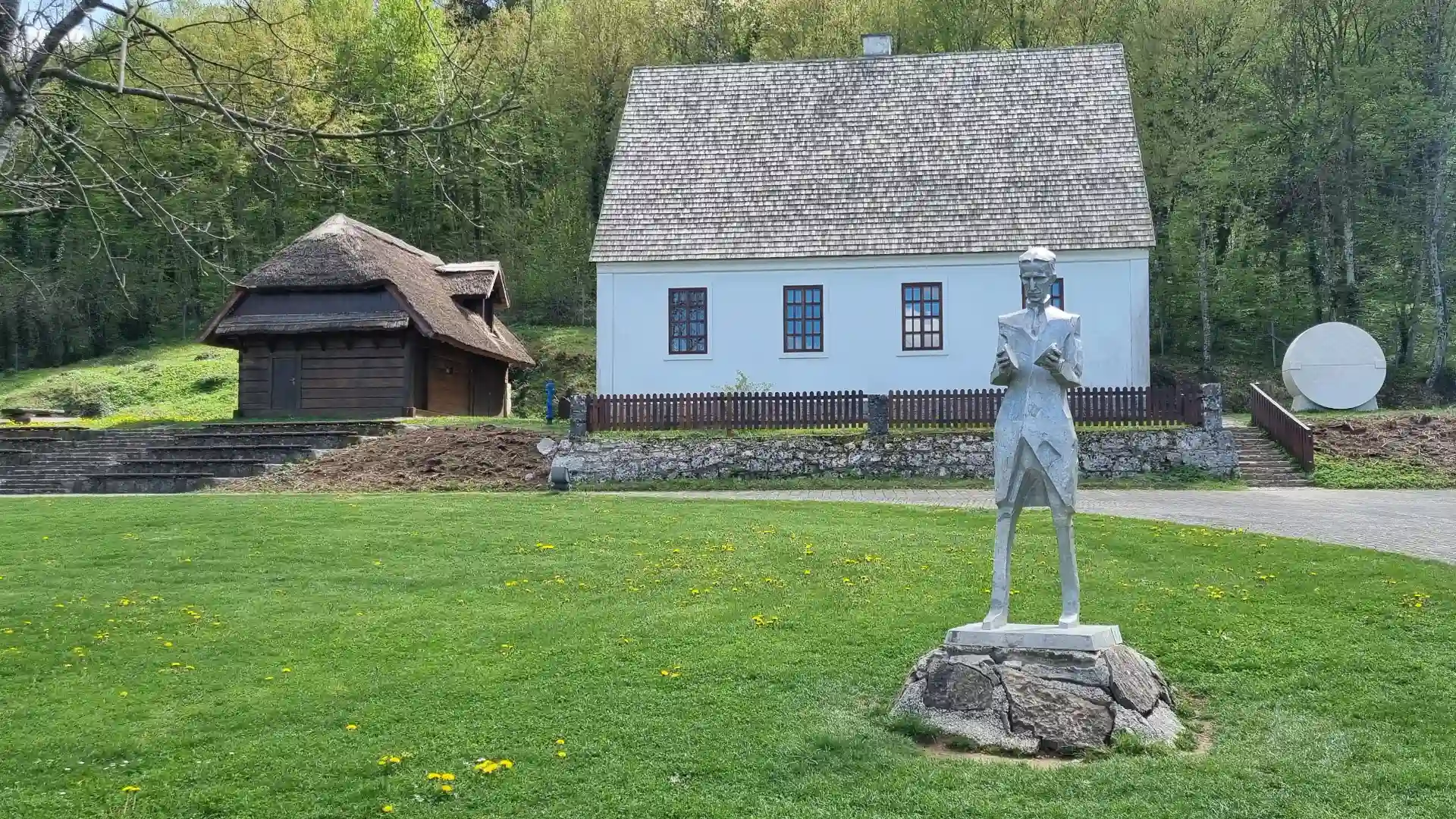
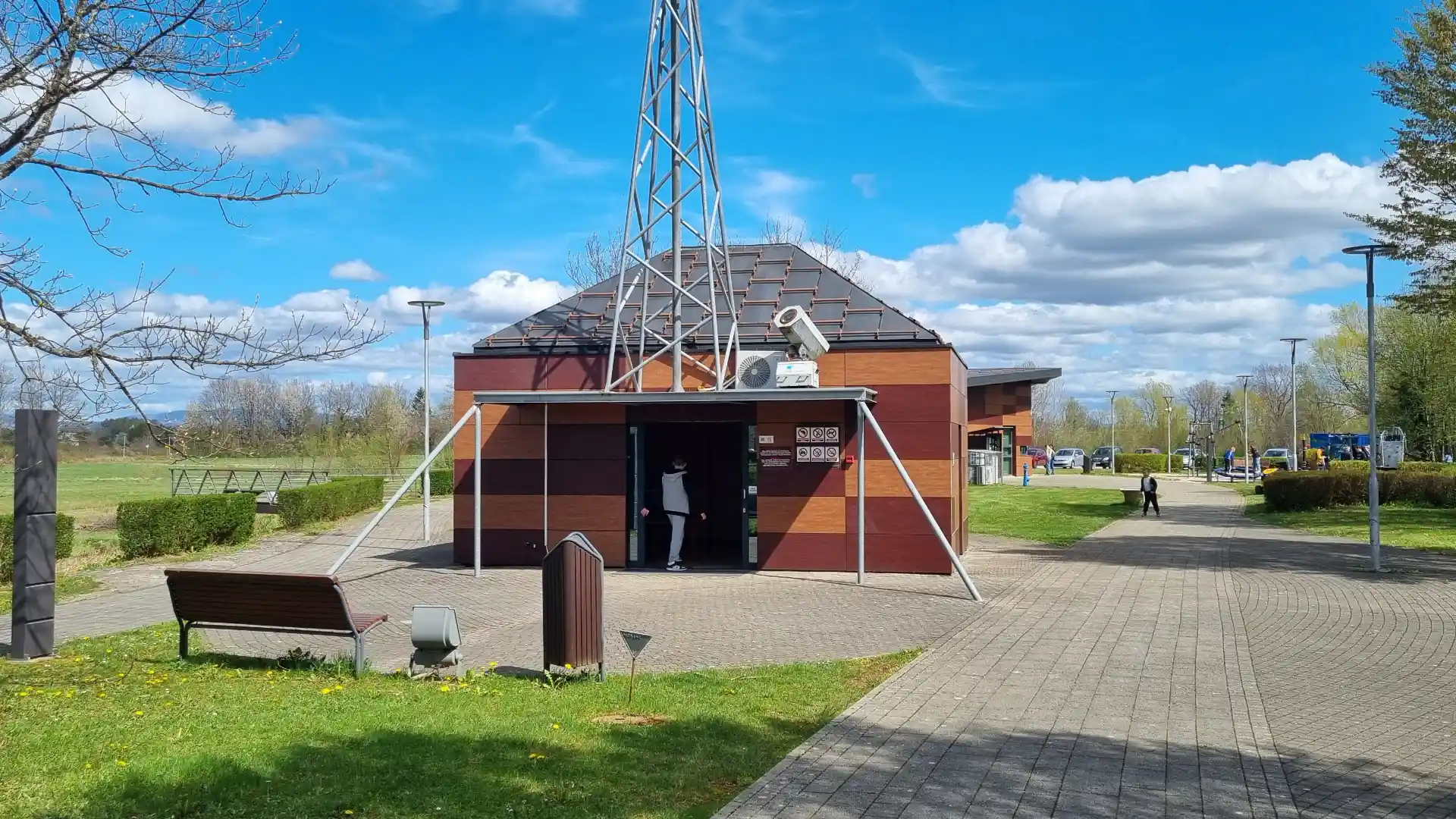
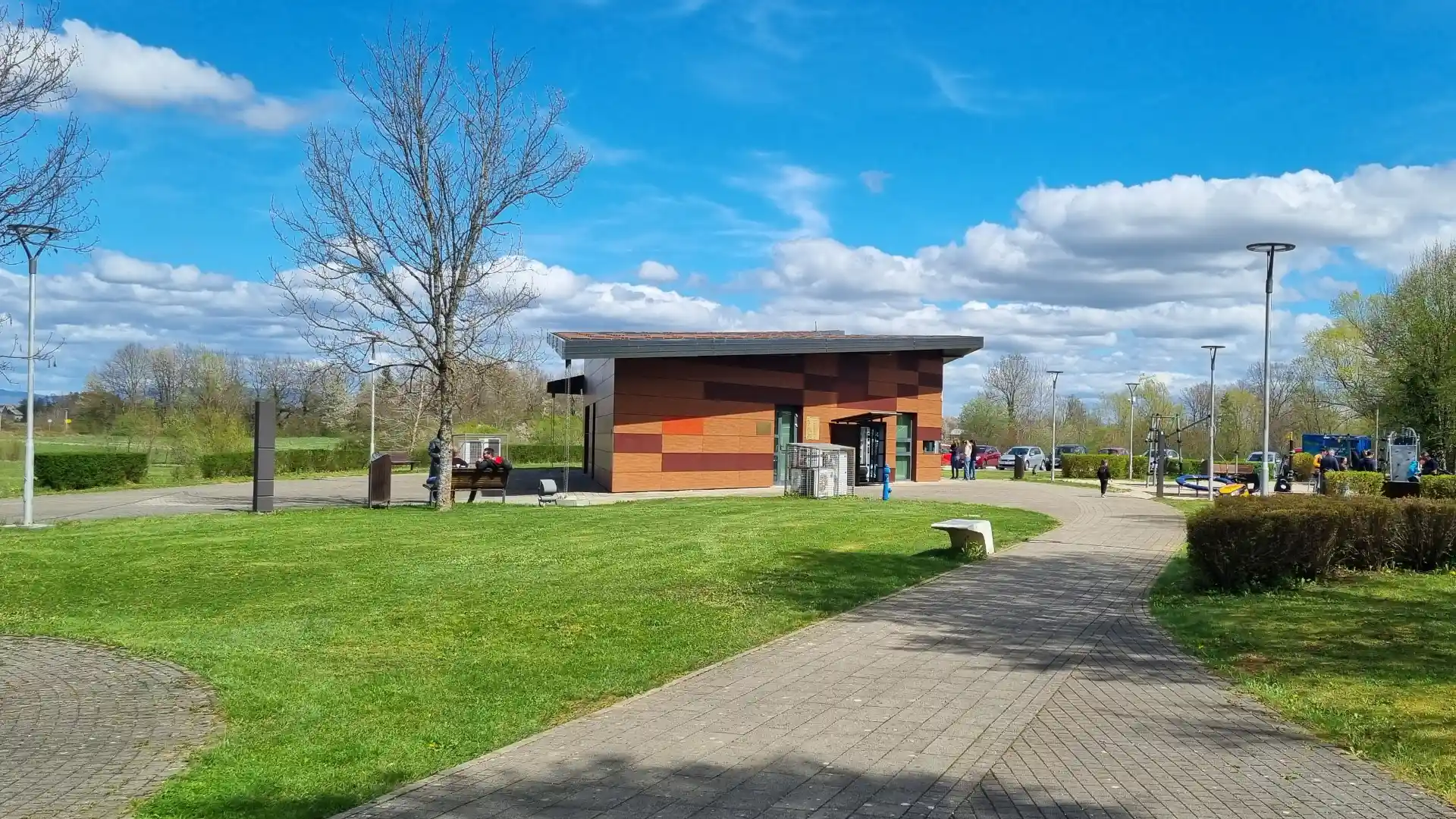
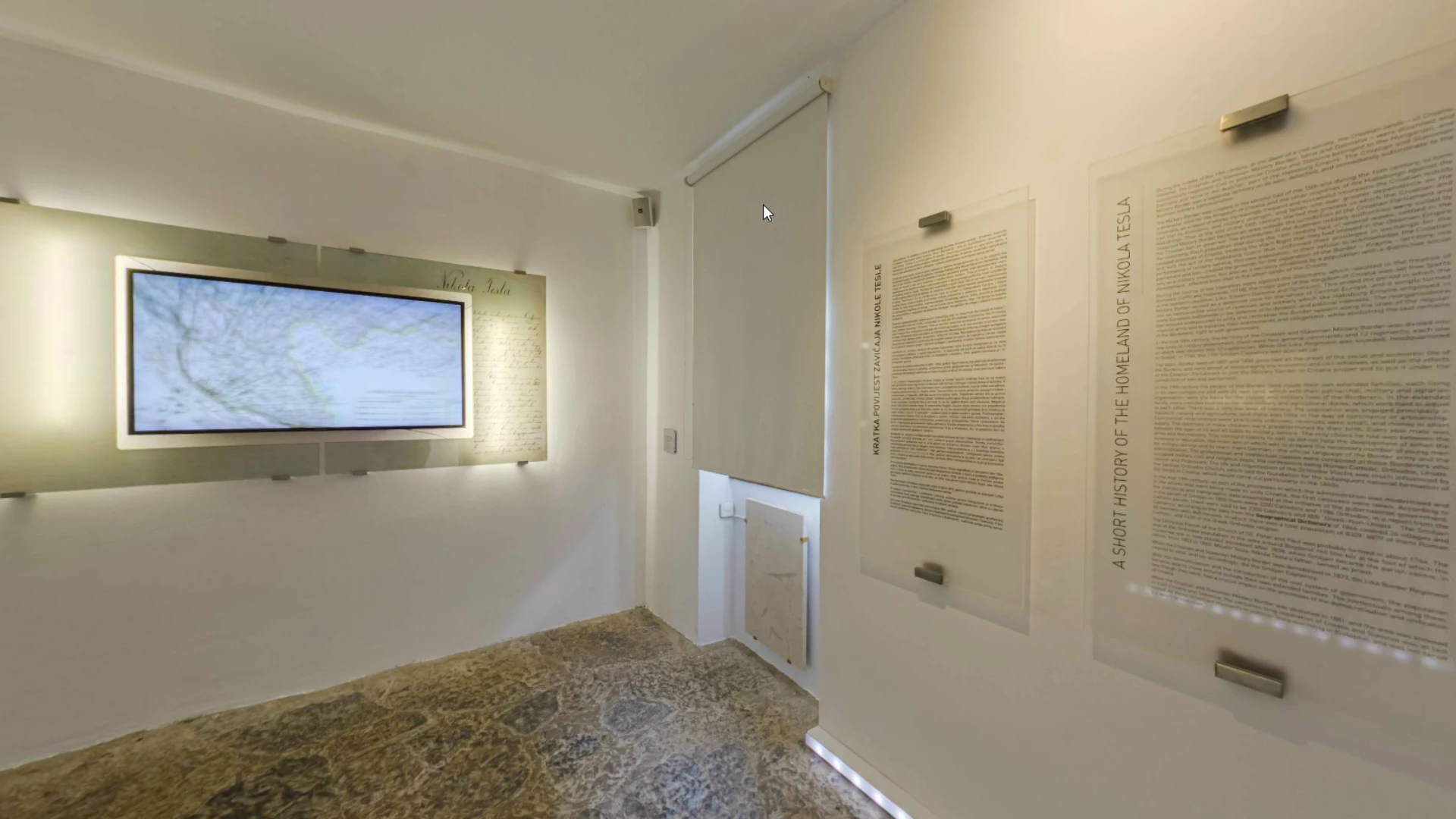
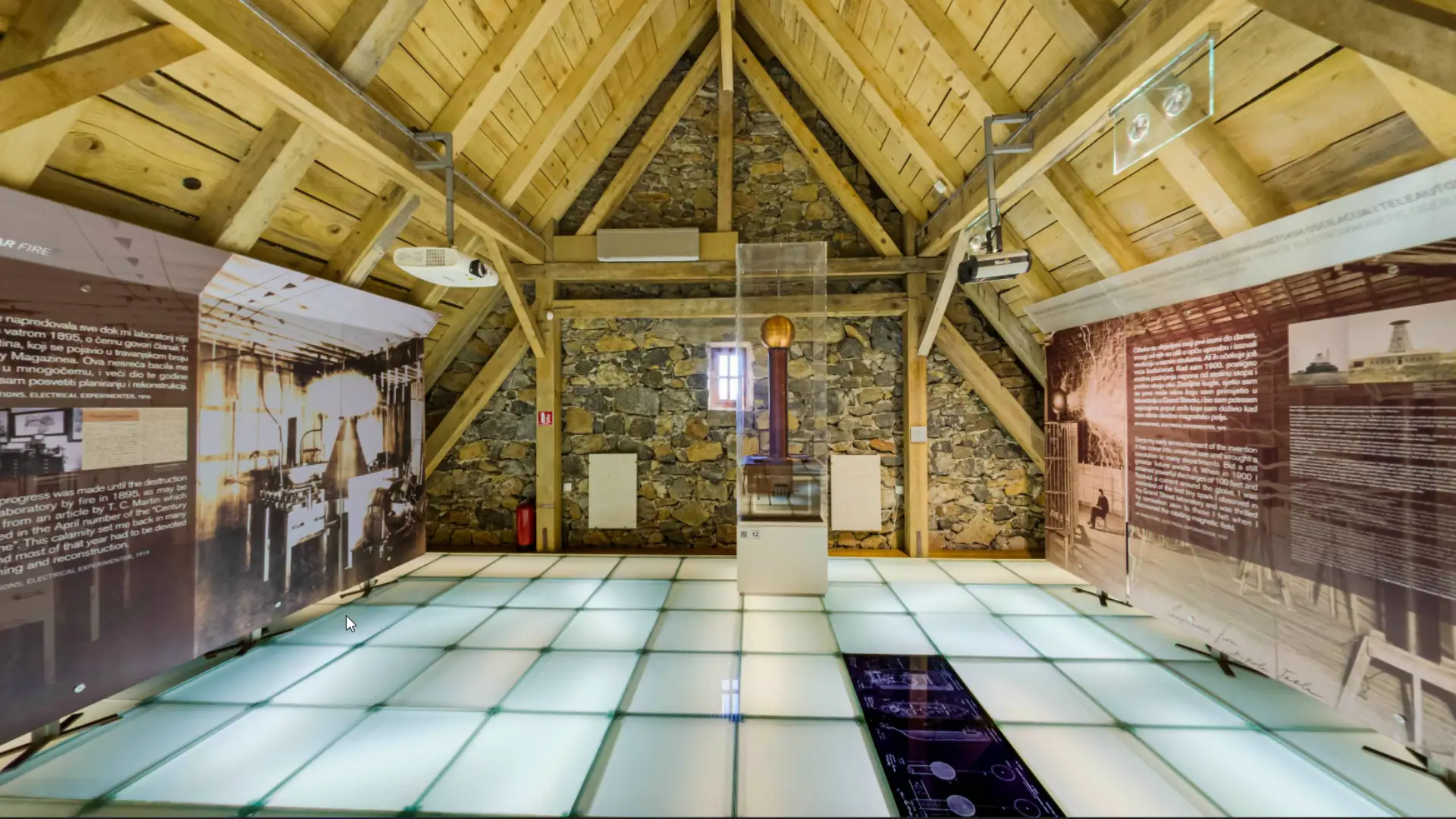
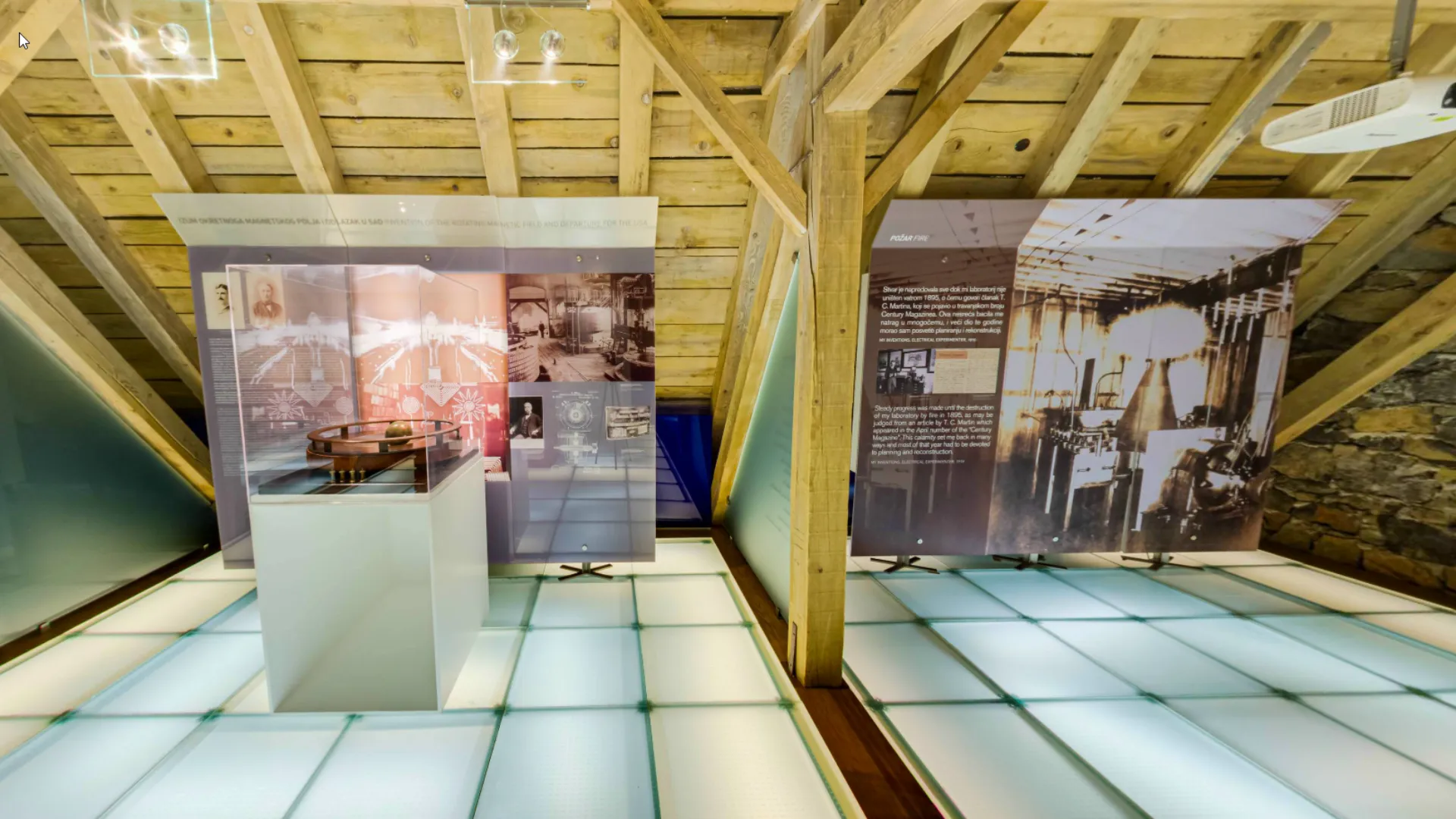
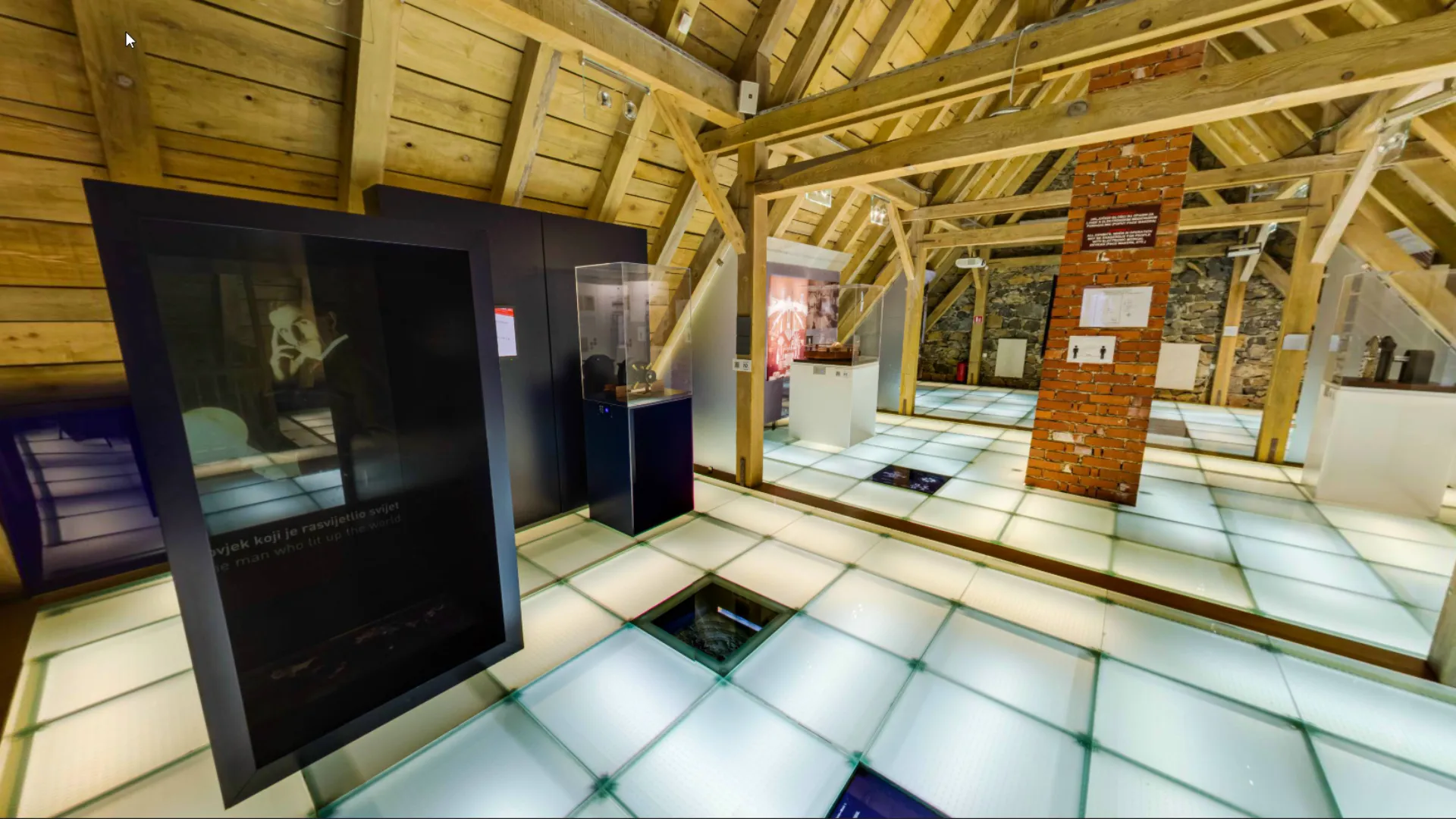
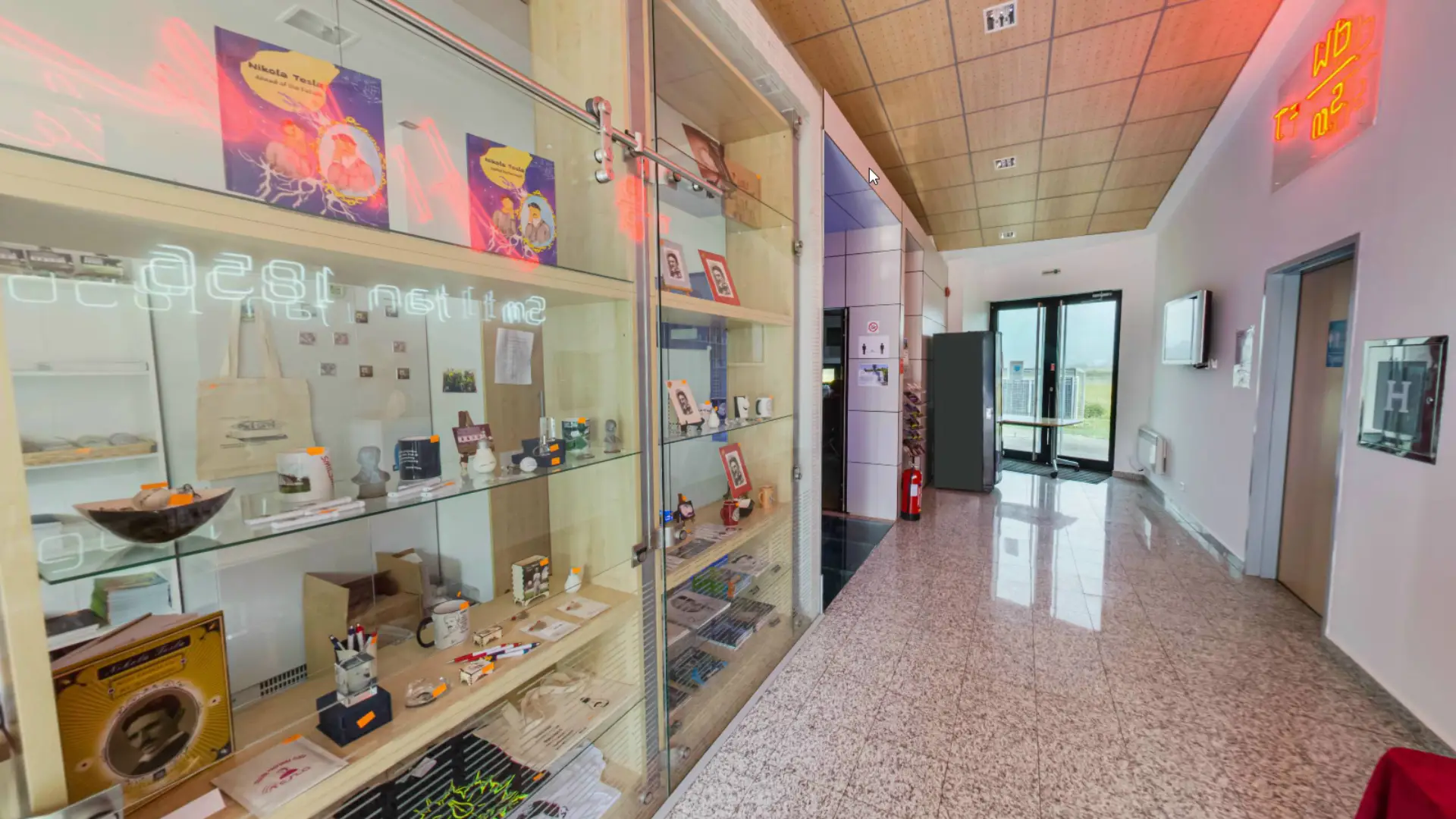
The Center is carefully designed to combine the authenticity of Tesla’s birthplace with a contemporary museum approach. The complex includes a reconstructed Tesla’s birth house, the Church of Saints Peter and Paul, a multimedia hall, and an outdoor experimental park.
The house where Tesla was born has been carefully restored and furnished with authentic 19th-century furniture, objects, and documents. Visitors can experience the atmosphere of the time in which one of the greatest innovators grew up.
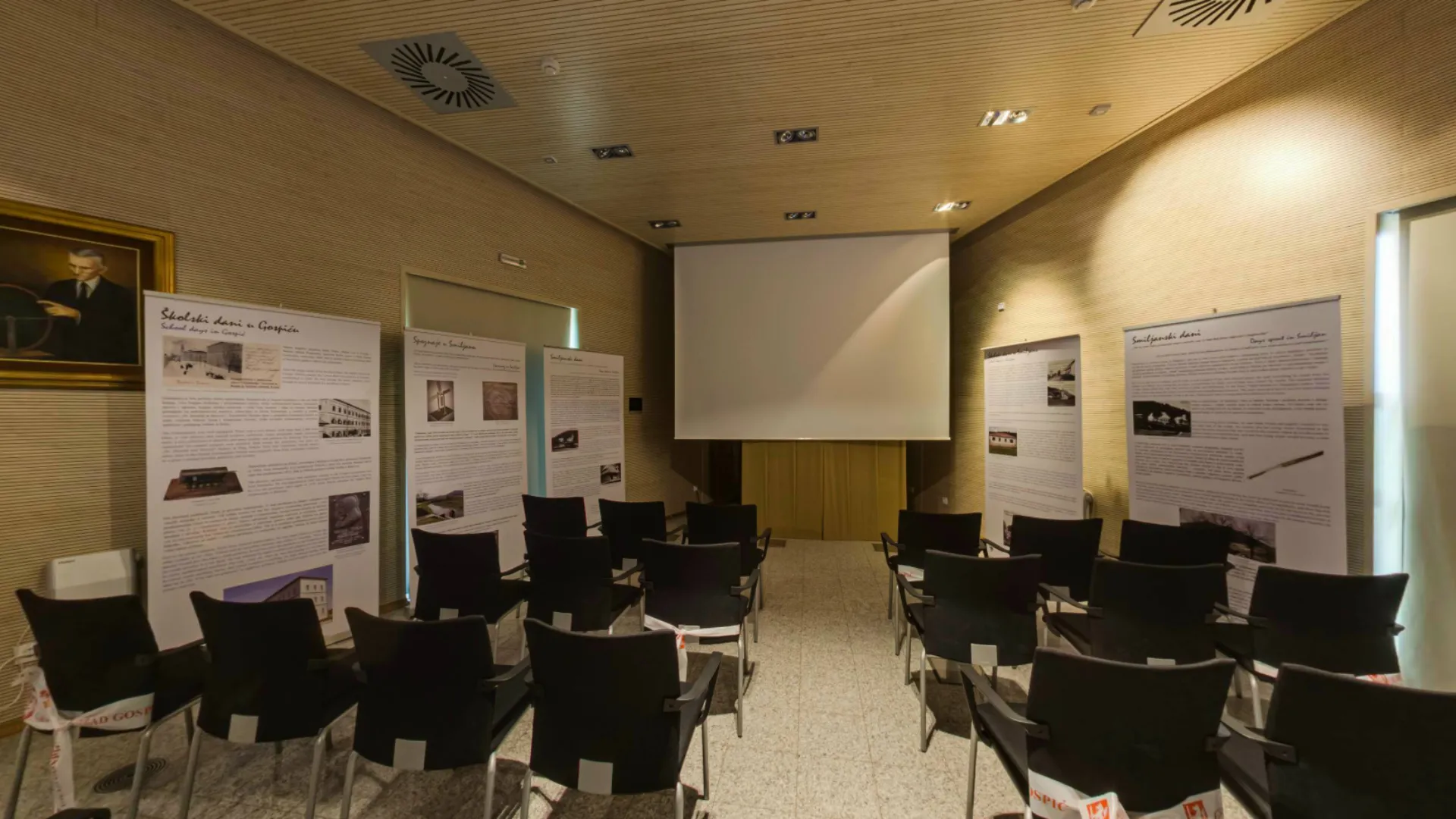
The Center uses modern technologies to tell Tesla’s story. Multimedia presentations, interactive screens, and short films bring his inventions such as alternating current, wireless power transmission, and radio communication closer to visitors.
Models of Tesla’s inventions are displayed in the open area around the center. Demonstrations, including the operation of the Tesla coil, particularly delight visitors of all ages.
The Nikola Tesla Memorial Center regularly organizes educational workshops for children and adults, scientific lectures, and thematic exhibitions. The goal is to stimulate curiosity and a spirit of inquiry.
On the anniversary of Tesla’s birth, a series of events are held, including scientific demonstrations, cultural programs, and international conferences dedicated to innovation.
The Nikola Tesla Memorial Center is located in Smiljan, just a 10-minute drive from Gospić. From Guest House Rustico and Bistro Vila Velebita, the center can be reached in about an hour’s drive through the picturesque Lika landscape.
The center is open year-round, with adjusted opening hours depending on the season. Tickets are affordable, and families and groups can receive discounts.
Before your visit, be sure to check the center’s website for opening hours and conditions.
After visiting the Memorial Center, you can explore other attractions of Lika, such as:
For a complete experience, we recommend relaxing with Lika specialties at Bistro Vila Velebita or spending a peaceful night at Guest House Rustico, where you will experience the warmth of Lika hospitality.
The Nikola Tesla Memorial Center in Smiljan is not just a museum – it is a journey through time and space, through the mind of a man whose ideas still shape the world today. Whether you are a science enthusiast, history buff, or traveler, this center will provide an unforgettable experience.
Plan your visit and follow in the footsteps of Nikola Tesla, while enjoying the comfort of Guest House Rustico and the taste of local cuisine at Bistro Vila Velebita – a perfect combination of knowledge, nature, and enjoyment.
Monday - Sunday
7:00 AM - 10:00 PM

House Rustico Accessibility Statement
We firmly believe that the internet should be available and accessible to anyone, and are committed to providing a website that is accessible to the widest possible audience, regardless of circumstance and ability.
To fulfill this, we aim to adhere as strictly as possible to the World Wide Web Consortium’s (W3C) Web Content Accessibility Guidelines 2.1 (WCAG 2.1) at the AA level. These guidelines explain how to make web content accessible to people with a wide array of disabilities. Complying with those guidelines helps us ensure that the website is accessible to all people: blind people, people with motor impairments, visual impairment, cognitive disabilities, and more.
This website utilizes various technologies that are meant to make it as accessible as possible at all times. We utilize an accessibility interface that allows persons with specific disabilities to adjust the website’s UI (user interface) and design it to their personal needs.
Additionally, the website utilizes an AI-based application that runs in the background and optimizes its accessibility level constantly. This application remediates the website’s HTML, adapts Its functionality and behavior for screen-readers used by the blind users, and for keyboard functions used by individuals with motor impairments.
If you’ve found a malfunction or have ideas for improvement, we’ll be happy to hear from you. You can reach out to the website’s operators by using the following email info@plitviceaccommodation.com
Our website implements the ARIA attributes (Accessible Rich Internet Applications) technique, alongside various different behavioral changes, to ensure blind users visiting with screen-readers are able to read, comprehend, and enjoy the website’s functions. As soon as a user with a screen-reader enters your site, they immediately receive a prompt to enter the Screen-Reader Profile so they can browse and operate your site effectively. Here’s how our website covers some of the most important screen-reader requirements, alongside console screenshots of code examples:
Screen-reader optimization: we run a background process that learns the website’s components from top to bottom, to ensure ongoing compliance even when updating the website. In this process, we provide screen-readers with meaningful data using the ARIA set of attributes. For example, we provide accurate form labels; descriptions for actionable icons (social media icons, search icons, cart icons, etc.); validation guidance for form inputs; element roles such as buttons, menus, modal dialogues (popups), and others. Additionally, the background process scans all the website’s images and provides an accurate and meaningful image-object-recognition-based description as an ALT (alternate text) tag for images that are not described. It will also extract texts that are embedded within the image, using an OCR (optical character recognition) technology. To turn on screen-reader adjustments at any time, users need only to press the Alt+1 keyboard combination. Screen-reader users also get automatic announcements to turn the Screen-reader mode on as soon as they enter the website.
These adjustments are compatible with all popular screen readers, including JAWS and NVDA.
Keyboard navigation optimization: The background process also adjusts the website’s HTML, and adds various behaviors using JavaScript code to make the website operable by the keyboard. This includes the ability to navigate the website using the Tab and Shift+Tab keys, operate dropdowns with the arrow keys, close them with Esc, trigger buttons and links using the Enter key, navigate between radio and checkbox elements using the arrow keys, and fill them in with the Spacebar or Enter key.Additionally, keyboard users will find quick-navigation and content-skip menus, available at any time by clicking Alt+1, or as the first elements of the site while navigating with the keyboard. The background process also handles triggered popups by moving the keyboard focus towards them as soon as they appear, and not allow the focus drift outside it.
Users can also use shortcuts such as “M” (menus), “H” (headings), “F” (forms), “B” (buttons), and “G” (graphics) to jump to specific elements.
We aim to support the widest array of browsers and assistive technologies as possible, so our users can choose the best fitting tools for them, with as few limitations as possible. Therefore, we have worked very hard to be able to support all major systems that comprise over 95% of the user market share including Google Chrome, Mozilla Firefox, Apple Safari, Opera and Microsoft Edge, JAWS and NVDA (screen readers).
Despite our very best efforts to allow anybody to adjust the website to their needs. There may still be pages or sections that are not fully accessible, are in the process of becoming accessible, or are lacking an adequate technological solution to make them accessible. Still, we are continually improving our accessibility, adding, updating and improving its options and features, and developing and adopting new technologies. All this is meant to reach the optimal level of accessibility, following technological advancements. For any assistance, please reach out to info@plitviceaccommodation.com